
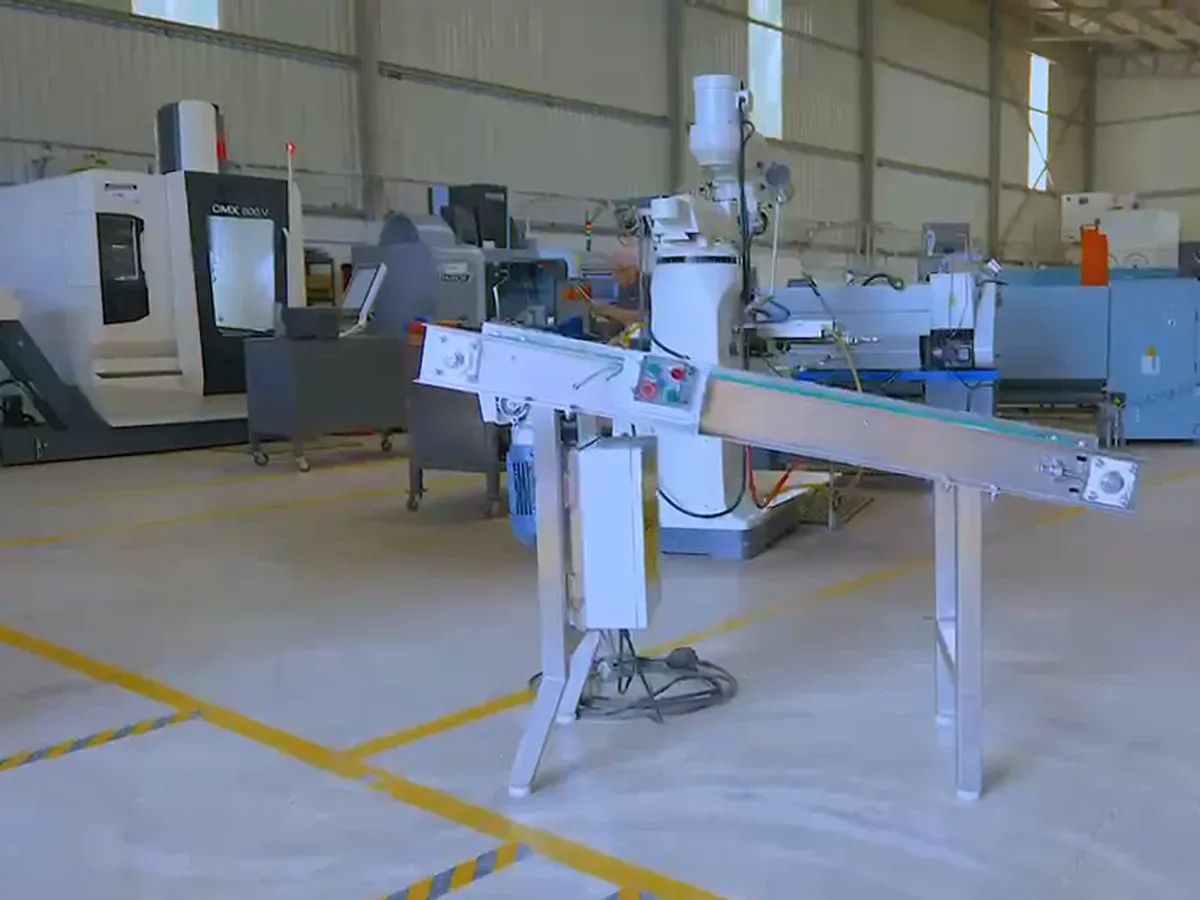
A custom stainless steel conveyor starts long before the first cut. At Meprezuh we just completed one, and this is the project walk-through: what gets measured, how it is designed and which shop processes are involved. You can see the machine and the video on the project page.
Why stainless steel
Stainless steel is the usual material for equipment in the food industry and the medical industry: it resists corrosion and cleans well. In return it is hard to handle and to work, so it helps to have a shop with the right machines and know-how to cut and machine it. If you are torn between stainless and aluminum, read how to choose the material.
1. On-site survey
Everything starts with a visit to the customer. We take the overall dimensions, the product entry and exit heights, the length and every variable of the process the machine will work in. What is not measured on site becomes an expensive adjustment later.
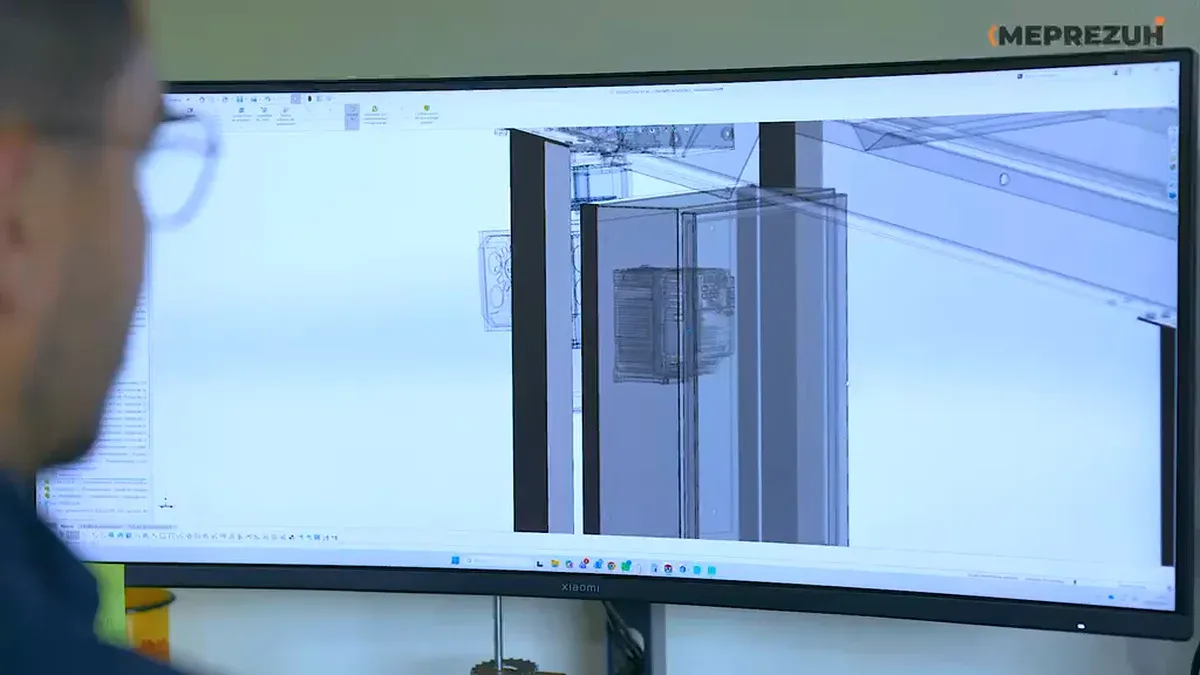
2. Design and 3D modeling
With those measurements the machine is modeled in CAD software parametrically: dimensions are kept as parameters, and the whole model updates when one of them changes. That reduces the margin for error and puts a precisely defined part in the shop.
3. Laser cutting the sheets
The stainless sheets are cut on the laser cutting machine. Its high speed cuts the material quickly, and the same machine handles plates, brackets, covers and panels.
4. CNC and conventional machining
Parts that need it go through the machining center and the CNC lathe. Anything that needs fine fitting, or a single piece, is done on conventional lathes and milling machines. Combining both lets each part be made with the process that suits it best.
5. National and international suppliers
On a dynamic project not everything is made in the shop. Commercial components and processes coordinated outside are handled with national and international suppliers, so the project closes complete.
What it means for your project
The same path works for food, medical and other industries that need a custom solution, not a catalog. If you have a machine in mind, send us your measurements and your idea and we will tell you how we would build it.